

Historical Facts About Nigeria
The Yorubaland Awori Tribe And Their Role In Founding Lagos State Nigeria
The Yorubaland Awori Tribe And Their Role in Founding Lagos State Nigeria
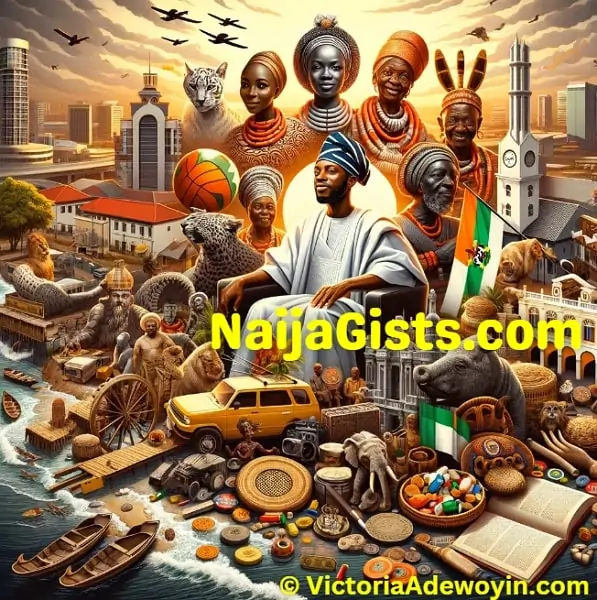
The story of Lagos, or Eko as it is traditionally known, is deeply intertwined with the history and legacy of the Awori people, a subgroup of the Yoruba ethnic group. Understanding their role in founding Lagos offers a glimpse into the city’s early beginnings and how it evolved into the bustling metropolis it is today.
Early Settlement and Society
The Awori, primarily fishermen and farmers, were among the first to settle in the coastal regions that would become Lagos. Their settlements were strategically located along the lagoons and waterways, making use of the abundant aquatic resources. The social structure of the Awori was organized and cohesive, with a strong sense of community and shared responsibilities.
Cultural Contributions and Traditions
The Awori brought with them rich Yoruba traditions, including religious beliefs, art, and music, which significantly influenced the cultural tapestry of early Lagos. They practiced traditional Yoruba religion, worshipping a pantheon of deities, which played a crucial role in their daily lives and community decisions. The introduction of their language, customs, and folklore contributed to the unique cultural identity of Lagos.
Governance and Leadership
The Awori had established governance systems, led by local chiefs and elders, who played a crucial role in maintaining order and managing the affairs of their communities. These early forms of governance laid the foundation for the administrative systems that would later evolve in Lagos.
Economic Activities and Trade
As skilled fishermen and farmers, the Awori utilized the fertile land and waterways to sustain their communities. They engaged in local trade, bartering fish, crops, and handmade goods, which fostered economic activity in the region. The strategic location of their settlements along the coast and lagoons facilitated interactions with neighboring groups and later with European traders.
Interaction with Other Ethnic Groups and Foreigners
The Awori’s interaction with neighboring ethnic groups and, later, the Portuguese, marked the beginning of Lagos’s transformation into a major trading post. While these interactions brought new influences, the Awori maintained their cultural identity and continued to play a significant role in the region.
Resilience and Adaptation
The Awori demonstrated resilience and adaptability, adjusting to the changing dynamics brought about by external influences while retaining their cultural heritage. Their ability to adapt contributed to the survival and growth of their communities through various historical phases.
Legacy in Modern Lagos
Today, the influence of the Awori is still evident in Lagos. Many traditional Awori families and communities continue to thrive, preserving their heritage and contributing to the city’s diversity. The story of the Awori is an integral part of Lagos’s history, reminding us of the city’s origins and the enduring spirit of its earliest inhabitants.
The Awori people’s legacy in founding Lagos is a testament to their cultural richness, organizational skills, and adaptability. They laid the foundational stones upon which Lagos was built, contributing significantly to its development and character. Understanding their role offers valuable insights into the history and evolution of one of Africa’s most iconic cities.