Cancer Prevention Tips And Techniques
Lagos State Nigeria’s Silent Crisis: Industrial Pollution, Chemical Toxicity And Deadly Consequences

Lagos State Nigeria’s Silent Crisis: Industrial Pollution, Chemical Toxicity And Deadly Consequences
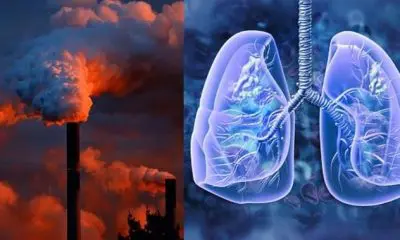
Lagos State, the bustling economic heartbeat of Nigeria, stands as a shining beacon of progress, culture, and vibrancy. Yet, beneath the surface of its glittering skyline and relentless energy, lurks a perilous threat: unchecked chemical pollution. The juxtaposition of heavily toxic industrial companies within residential areas has turned Lagos State into a hotbed of air pollution and chemical toxicity, leading to an alarming increase in mortality and cancer diagnosis rates.
1. The Disquieting Reality
Lagos, with its sprawling urban expanse, has attracted a multitude of industries, seeking to harness the city’s vast market and economic potential. Over time, many of these industries, notably those dealing with chemicals, heavy metals, and other hazardous materials, have set up operations alarmingly close to residential zones.
The absence of stringent regulations has meant that harmful effluents and emissions, often released without proper treatment, have found their way into the environment. The air residents breathe, the water they drink, and even the soil in which they grow their food, all bear traces of this chemical onslaught.
2. The Consequences: A Public Health Nightmare
Lagos State now has the unenviable distinction of having the highest rate of cancer diagnoses in Nigeria. But cancer isn’t the only concern. Respiratory diseases, skin conditions, and a host of other ailments have seen a significant uptick.
Children, with their developing immune systems, are particularly vulnerable. Incidences of childhood asthma, developmental disorders, and even birth defects have risen sharply. The elderly and those with pre-existing conditions are not spared either, often facing exacerbated health issues due to prolonged exposure.
3. The Environmental Impact
The environment, much like its human inhabitants, is bearing the brunt of this chemical barrage. Aquatic life in the waterways of Lagos is dwindling due to chemical contamination, while the soil has become less fertile, disrupting local agriculture. The air quality, with its high particulate matter content, often hovers at dangerous levels, making simple acts like taking a morning walk a potential health risk.
4. Unmasking the Industrial Offenders
Many industrial sectors contribute to the pollution crisis. Chemical manufacturing plants, tanneries, textile factories, and even some unregulated waste management facilities release harmful substances into the environment. However, the major culprits remain the large-scale industries that have not invested in eco-friendly technologies or waste treatment processes.
5. The Regulatory Black Hole
The critical question remains: How has Lagos State reached this point? The primary answer lies in the glaring absence of stringent environmental regulations. Existing laws are either outdated or inadequately enforced. Corruption, lack of oversight, and a general apathy towards environmental issues have compounded the problem.
6. A Call to Action: What Can Be Done?
Addressing this crisis demands a multipronged approach:
- Policy Reforms: The government must enact stricter environmental regulations. Industries should be mandated to install and maintain pollution control devices. Penalties for violations must be severe enough to act as genuine deterrents.
- Relocation of Industries: High-polluting industries should be moved away from residential areas. This will require urban planning reforms and possibly the creation of designated industrial zones with proper waste management facilities.
- Community Mobilization: Grassroots movements can play a pivotal role. Communities must be educated about the dangers they face and empowered to demand change. Protests, petitions, and even public interest litigations can be effective tools.
- Public Health Initiatives: As a short-term measure, the government, in collaboration with NGOs, should set up health camps offering free check-ups and treatments for pollution-related ailments.
- Investment in Research: Research into the full extent of chemical pollution’s impact on Lagos State is crucial. This will help shape policies and interventions more effectively.
7. The Role of International Bodies
International environmental bodies and health organizations can exert pressure on local authorities to act. Collaborative efforts can bring in both funding and expertise, helping Lagos combat the crisis more effectively.
8. The Hopeful Horizon
Lagos, despite its current challenges, remains a city of hope and resilience. Its populace, renowned for their indomitable spirit, has the power to turn the tide against chemical pollution. By harnessing community strength, demanding accountability, and prioritizing public health, Lagosians can reclaim their city from the clutches of pollution.
9. The Economic Angle: Does ‘Clean’ Mean ‘Unprofitable’?
A common misconception that impedes environmental reforms is the idea that eco-friendly measures compromise profitability. Contrary to this belief, transitioning to sustainable operations can offer long-term economic benefits for industries. Cleaner technologies can result in reduced waste, more efficient processes, and increased consumer trust, leading to broader market access.
Internationally, there’s a growing trend where consumers prefer environmentally responsible brands. Nigerian industries adopting cleaner processes might find a competitive edge not only within the domestic market but also in the global arena.
10. The Power of Public Awareness
The first step towards meaningful change is understanding the problem. This is where the role of media, educators, and influencers comes into play. Initiatives like documentaries highlighting the impact of pollution, community workshops discussing its consequences, or school programs instilling the value of a clean environment can be catalysts for change.
The story of Lagos’s pollution isn’t just a local narrative; it echoes in various parts of the world. By sharing this story widely, international attention can be garnered, further pressurizing authorities to act swiftly.
11. Collaborative Efforts
Beyond the local community and industries, the issue of chemical pollution in Lagos State requires collaborative efforts from multiple stakeholders:
- NGOs and Environmental Groups: Their expertise, resources, and on-ground presence can help guide community efforts, lobby for reforms, and assist in implementing cleaner industrial practices.
- Academic Institutions: Universities and research centers can play a pivotal role by undertaking extensive studies, developing cleaner technologies tailored to Nigeria’s industries, and training the next generation with an eco-conscious mindset.
- International Partnerships: Collaboration with countries that have successfully tackled similar challenges can offer invaluable insights and technical know-how.
12. A Vision for the Future
Envision a Lagos where children can play outdoors without fear of inhaling toxic fumes, where residents can consume water without the threat of chemical contamination, and where industries thrive without compromising the environment. This vision isn’t a mere dream; it’s a tangible reality within reach.
But achieving this vision requires more than just policies and regulations. It demands a cultural shift — a collective realization that economic progress shouldn’t come at the cost of public health and environmental well-being.
Final Words!
Lagos State stands at a critical juncture. The choices made now will shape its future for generations to come. The challenge of chemical pollution, while significant, offers an opportunity: to redefine industrial practices, galvanize communities, and establish Lagos not just as an economic powerhouse but also as a beacon of sustainable development and environmental stewardship.
The call is clear, and the stakes are high. Lagosians, united in purpose and driven by the love for their vibrant city, possess the will and the means to forge a cleaner, greener, and healthier future. The journey might be arduous, but the destination — a revitalized Lagos — is worth every effort.